

























# Introduction to the World of Hockey Videography
Capturing the fast-paced, gritty action of hockey isn’t for the faint of heart. As a hockey videographer, you juggle intense rink environments, unpredictable lighting, and rapid-action play. Whether you’re aiming to build an athletic recruitment reel, create team highlight videos, or document tournaments for memories or scouting, your role is central to how hockey moments are relived and analyzed.
In today’s digital age, demand for skilled hockey videographers is booming. According to Grand View Research, the global sports videography market was valued at USD 4.7 billion in 2023 and is projected to keep climbing (来源: [Grand View Research]). But what sets the true experts apart? Let’s dig into the secrets, tools, and strategies that make a hockey videographer’s work genuinely stand out.

# What Is a Hockey Videographer and Why Is This Role So Vital?
First things first—what defines a hockey videographer? Put simply, this is the creative professional responsible for recording high-quality hockey game footage, team highlights, or promotional content.
Why is this role so vital? Because hockey is one of the fastest team sports. Scouts, coaches, players, and even broadcasters heavily depend on clear, steady, and insightful video recordings to analyze strategies, evaluate talent, or create inspiring promotional reels.
Contrary to popular belief, not every sports videographer can handle hockey. The sport’s speed, confined spaces, and reflective ice present unique challenges that demand expertise. That’s why those seeking to hire a hockey videographer often emphasize experience within hockey specifically, alongside technical knowledge of equipment and post-production techniques.
# Top 5 Skills Every Hockey Videographer Should Master
What separates the mediocre from the outstanding in hockey videography? Here are the five most crucial skills.
1. ICE-LEVEL ANTICIPATION
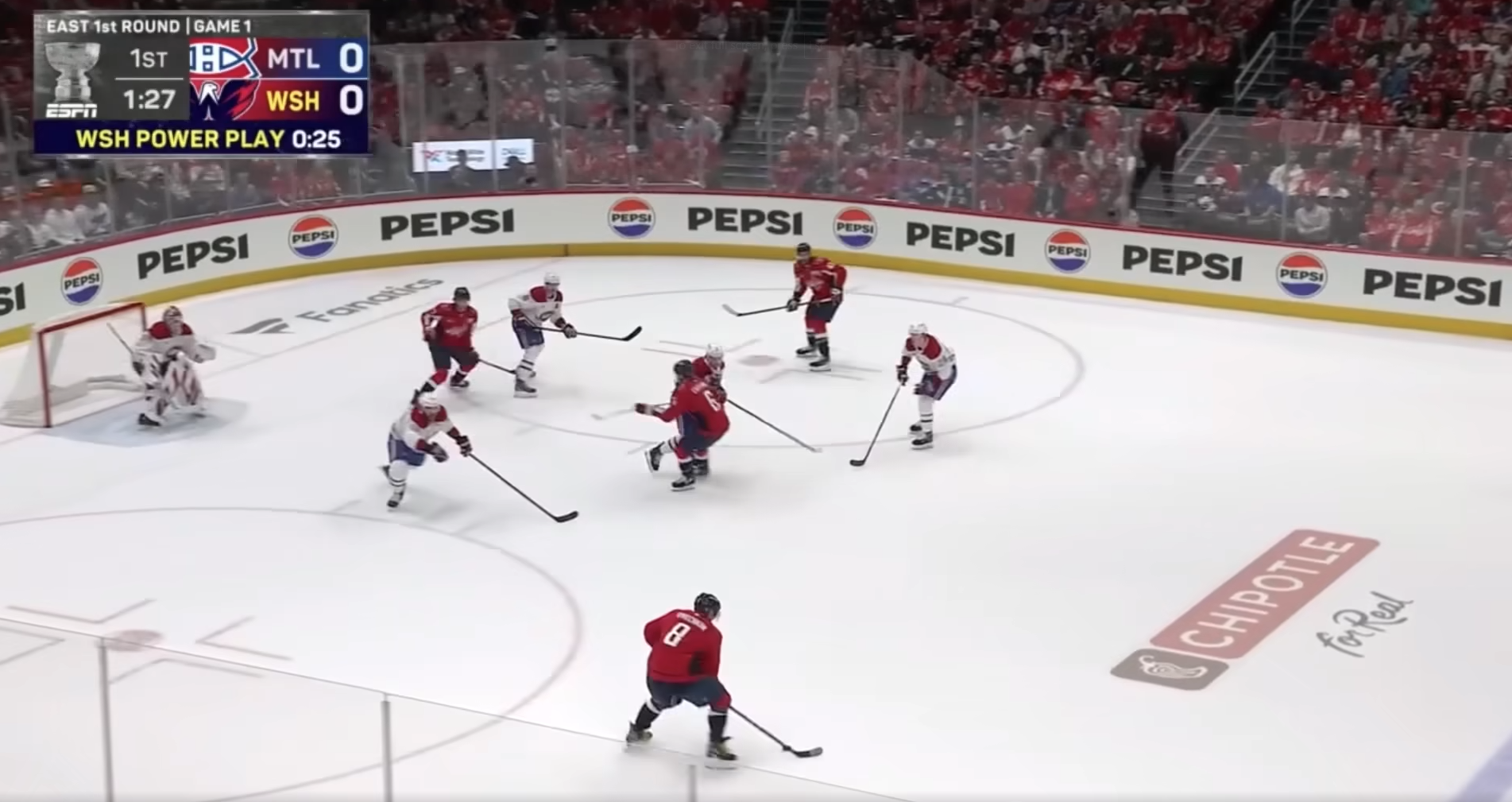
The game happens fast—sometimes in a blink. Understanding game flow and anticipating pivotal moments is key to nailing highlight-worthy shots.
2. CAMERA CONTROL AND FRAME COMPOSITION
A hockey videographer must handle fast panning, zooming, and staying focused on the puck—especially during breakneck plays.
3. ADAPTABILITY TO LIGHTING CONDITIONS
Rinks are notorious for harsh, uneven lighting. Quick manual adjustments and choosing optimal camera settings are must-haves.
4. SHARP AUDIO CAPTURE
While game action rules, audio is vital for coaches and enthusiastic parents. Using external mics and dampening rink echo makes a massive difference.
5. POST-PRODUCTION FLOW
Delivering polished final videos with slow-motion highlights and key play breakdowns requires efficiency in editing software like Adobe Premiere Pro or Final Cut Pro.
# Comparing Essential Gear for Hockey Videographers
Choosing the right gear is a pivotal part of the job. Here’s a quick comparison of two popular camera systems for hockey videographers:
| Feature | Canon XF405 | Sony PXW-Z150 |
|---|---|---|
| Sensor Type | 1″ CMOS | 1″ CMOS |
| Frame Rate | Up to 60fps (4K) | Up to 60fps (4K) |
| Low-Light Performance | Good | Very Good |
| Built-In ND Filters | Yes | Yes |
| Weight | 2.1 lbs | 4.1 lbs |
| User Interface | Touchscreen menu | Physical buttons & wheel |
| Price (approx. USD) | 2,100 | 2,800 |
Both cameras excel for rink recording, but the Sony PXW-Z150 edges ahead in low-light. If portability is your priority, though, the Canon XF405 is lighter.
# Step-by-Step Guide: How to Film a Hockey Game Like a Pro
Capturing great hockey footage is equal parts preparation and technique. Here’s a practical workflow you can follow:
1. RESEARCH THE TEAMS
Learn player numbers, star athletes, and usual strategies so you know where the action will likely focus.
2. ARRIVE EARLY FOR THE BEST POSITION
Rink sightlines vary. Scout vantage points above the glass, near center ice, and always prepare for backup angles.
3. DIAL IN YOUR SETTINGS
Pre-set your camera: shoot in at least 1080p60, adjust white balance, set exposure manually, and use the widest aperture possible for light.
4. FOLLOW THE PUCK, BUT ANTICIPATE THE STORY
Keep the puck center frame, but zoom out for big plays. Don’t forget reaction shots from benches or the crowd.
5. TAKE NOTES FOR EDITING
Mark timecodes for major plays on a notepad. This saves hours when you edit and helps your final cut shine.
According to a recent survey, 79 percent of youth hockey coaches say quality game video is extremely valuable for improving player performance (来源: [National Alliance for Youth Sports]).
# Common Mistakes & Warnings to Avoid in Hockey Videography
No matter your experience, certain mistakes can quickly ruin an otherwise perfect shoot. Watch out for these pitfalls:
– IGNORING WHITE BALANCE: Rink lighting can turn footage blue or orange if not corrected.
– NOT BRINGING ENOUGH STORAGE: Hockey periods can go long. Always carry several SD cards.
– LOSING TRACK OF THE PUCK: Easy to do in chaotic moments—zoom out if action clusters too tight.
– FORGETTING TO CHARGE BATTERIES: Cold rinks drain batteries much faster than room temperature.
CAUTION: Many arenas have strict safety protocols. Keep gear clear of player benches and always follow facility staff instructions.
# How to Choose the Right Hockey Videographer for Your Team or Event
Selecting the best professional for your needs is more than just finding someone with a camera. Here’s what to look for:
EXPERIENCE IN ICE SPORTS: Ask for previous hockey footage, not just generic sports reels.
KNOWLEDGE OF RINK CONDITIONS: The job isn’t just about technical ability—it’s about adapting to slippery floors and tight spaces.
EFFICIENT DELIVERY AND EDITS: Deadlines matter, especially for recruitment and postgame reviews.
After years filming games for championship youth leagues, our team found that prompt communication and a willingness to capture both game highlights and subtle off-ice moments make all the difference.
# Practical Checklist: Get Ready for Your Next Hockey Recording Session
– RESEARCH opponent line-ups and anticipate high-action players
– CHARGE all batteries and pack extras given rink conditions
– BRING at least two formatted SD cards for uninterrupted shooting
– CHECK white balance and adjust manually for rink lighting
– SETUP your camera angle above the glass, not behind fences or netting
– ATTACH a quality external microphone if audio is needed
– PACK a small toolkit for emergency fixes (like lens wipes or tape)
– SCOUT backup shooting positions in case of unexpected crowding
# Conclusion
The demand for top-tier hockey videographers isn’t slowing down. If you refine your skills, master your gear, and approach each assignment with both preparation and creativity, you’ll not only meet but exceed the expectations of athletes, coaches, and fans. Remember, in a sport defined by split-second brilliance, your footage may just become the highlight that defines a moment, a season, or even a career.