


























# Introduction to Sports Analytics Tools
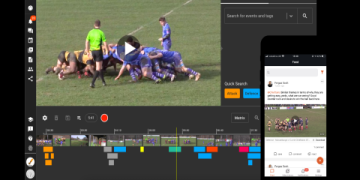
In today’s fast-paced athletic world, teams and individuals look for every possible edge. Enter sports analytics tools. These platforms analyze data to uncover patterns, optimize performance, and boost winning chances. So, what are sports analytics tools exactly? Simply put, they are software solutions or platforms designed to gather, process, and interpret large volumes of sports data, from player statistics to opponent tendencies.
But why is everyone suddenly talking about them? Realistically, analytics in sports is no longer just an NBA or Premier League thing — it’s a global phenomenon reshaping everything from tennis to cricket.

# Why Sports Analytics Tools Matter
Let’s be honest: gut feeling and tradition are no longer enough to stay competitive. According to a 2022 report, over 78% of professional sports teams worldwide now use analytics tools to inform decisions (SOURCE: Statista). Whether it’s picking a starting lineup or fine-tuning fitness regimes, data-driven insights are the new playbook.
What’s really exciting is that you don’t need to run a pro team to benefit. Even amateur coaches, fantasy league players, and personal trainers can use analytics to get measurable results.
# Key Features of Top Sports Analytics Tools
Trying to pick the best solution? Here’s where things get interesting. Not all tools are created equal, and small features can make a big difference. Let’s break down what makes a great sports analytics tool.
| Feature | Tool A: Hudl | Tool B: Catapult |
|---|---|---|
| Video Analysis | Advanced playback & tagging | Integrated with GPS for positional data |
| Data Visualizations | Customizable dashboards | Pre-set performance charts |
| Wearable Integration | No | Yes |
| Mobile Support | iOS, Android | iOS only |
| Pricing | Mid-range (subscription) | Higher tier (team-based) |
Notice how both options have strengths and weaknesses. The “best” tool depends on your goals and resources.
# Popular Use Cases: From the Pros to the Weekend Warriors
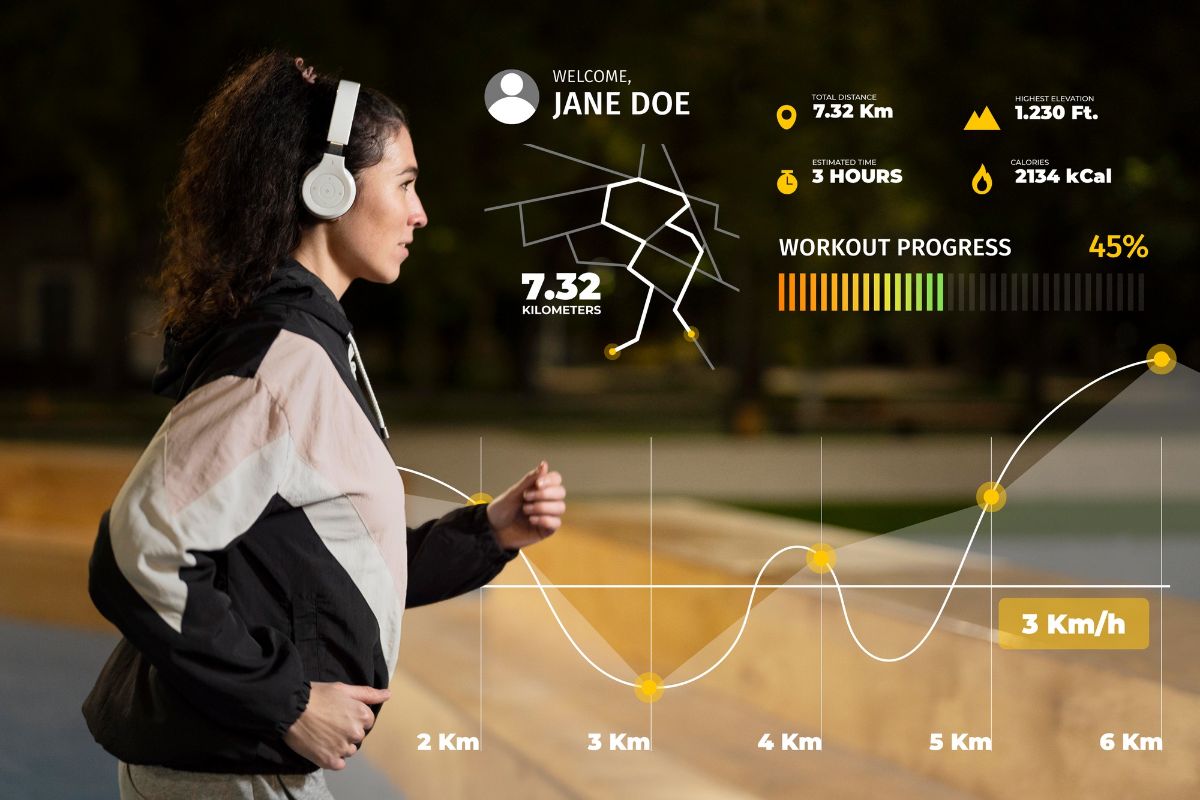
Professional Teams: The Golden State Warriors used sports analytics tools to revolutionize their shot selection, emphasizing three-pointers and floor spacing. This led to a huge increase in win percentage (SOURCE: NBA Advanced Stats).
College Programs: Universities analyze player workloads to reduce injuries, leading to impressive reductions in lost training days.
Amateurs and Individuals: Even local soccer coaches use basic analytics apps to track player sprints, heart rates, and fatigue, making smarter substitutions on match day.
According to my experience consulting with high school teams, it’s frequently the actionable insights—like spotting overworked athletes before injury risk spikes—that make analytics tools truly invaluable.
# Step-by-Step Guide: How to Implement Sports Analytics Tools
Want to get started? Here’s what I recommend as a foolproof launch plan:
1. DEFINE YOUR OBJECTIVE: Decide what specific goals you want to accomplish. Are you trying to win more games, prevent injuries, or scout new talent?
2. SELECT THE RIGHT TOOL: Compare options based on feature lists, budget, and compatibility with your sport.
3. ONBOARD YOUR TEAM: Ensure that coaches, players, or analysts understand the importance and basic workings of the new platform.
4. INTEGRATE WITH EXISTING SYSTEMS: Sync with other tech (like video or GPS trackers) for a seamless workflow.
5. MONITOR AND OPTIMIZE: Regularly review analytics reports and tweak your approach as you go. Don’t be afraid to ask for feedback from users!
Getting comfortable with data may take a few weeks, but the rewards are real.
# Common Pitfalls When Choosing Sports Analytics Tools
WARNING: Don’t get fooled by flashy marketing. Here are mistakes we see repeated again and again:
– Focusing only on price, ignoring essential features.
– Choosing tools too complex for actual users.
– Overloading on data with no clear action plan.
– Neglecting to train users, resulting in wasted investment.
Confirm that your chosen platform fits your team’s digital skills — you want actionable insights, not confusion.
# What to Look for When Evaluating Sports Analytics Tools
Not sure how to judge which system works for you? Use these proven criteria as a reference:
– ACCURACY OF DATA: Does it track what matters for your sport?
– EASE OF USE: Is the interface clean and simple to learn?
– INTEGRATION: Will it plug in with your existing tech stack?
– SUPPORT: Does the vendor offer responsive customer help?
– SCALABILITY: Can you add teams or functions as you grow?
– SECURITY: Are your players’ stats and health info kept private?
# LSI Keywords to Keep in Mind
In your research, you’ll find these terms useful: sports data analytics, athletic performance analysis, player tracking software, statistical sports tools, and team analytics solutions.
# Conclusion: The Future Belongs to the Data-Driven
Over the next decade, sports analytics tools will only get more powerful. They already change how coaches make decisions and how players train, and even how fans engage. As with any technology, the biggest returns come from clearly understanding your goals, picking the right platform, and staying flexible.
Ready to play a smarter game?
# Actionable Sports Analytics Tools Checklist
– CLARIFY YOUR WINNING OBJECTIVES AND DATA NEEDS.
– SHORTLIST TOOLS BASED ON YOUR BUDGET AND KEY FEATURES.
– INVOLVE ALL RELEVANT STAKEHOLDERS IN THE SELECTION PROCESS.
– INTEGRATE THE TOOL INTO YOUR DAILY WORKFLOW.
– ESTABLISH A ROUTINE FOR REVIEWING AND ACTING ON REPORTS.
– CONTINUOUSLY TRAIN USERS ON NEW FEATURES OR UPDATES.
– REGULARLY ASSESS ROI TO ENSURE ONGOING VALUE.
End of content.