

























# Introduction
Wondering how to choose the best video analysis tools in a world swimming with options? Whether you’re a coach, content creator, educator, or business owner, unlocking the real power of your videos hinges on the tool you pick. The right software can transform raw footage into actionable insights that ignite performance, boost retention, and reveal trends invisible to the naked eye. Let’s dive deep and demystify the process!
# What Are Video Analysis Tools and Why Do They Matter?

Video analysis tools are specialized software that help users break down, annotate, and extract data from videos. These tools are widely used in sports, education, surveillance, content production, and business analytics. KEY QUESTION: What makes video analysis tools essential today?
The explosion of online learning, remote collaboration, and AI-powered coaching has accelerated adoption. According to MarketsandMarkets, the global video analytics market is projected to reach 22.4 billion USD by 2027 (SOURCE: MarketsandMarkets). This surge is fueled by the demand for smarter decision-making and personalized feedback. For coaches, video analysis tools illuminate subtle technical flaws. For businesses, these platforms measure audience engagement and content ROI. In short: these tools take the guesswork out of improvement.
# Core Features to Look For in Video Analysis Tools
Not all video analysis tools are created equal. Here’s what separates the good from the great:
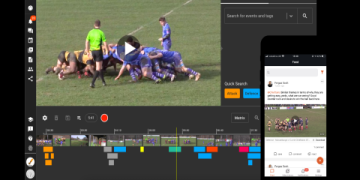
– Motion tracking and frame-by-frame playback
– Annotation and drawing tools on live or pre-recorded footage
– Automated stats generation (speed, angle, etc.)
– Cloud syncing and collaborative features
– AI-powered event detection
To make things clearer, here’s a direct comparison of two market leaders:
| Feature | Hudl | Dartfish |
|---|---|---|
| Platform | Web & Mobile | Desktop & Mobile |
| AI Auto-Tagging | Yes | No |
| Collaborative Review | Full Team Sharing | Limited |
| Sports Focus | Team Sports | Multi-sport/Science |
| Cloud Storage | Included | Add-on |
Each tool fits different needs. Some excel for solo athletes; others are engineered for team-driven environments. Understanding your priority is critical.
# Step-by-Step Guide: How to Choose the Right Video Analysis Tool
Feeling overwhelmed by choices? Here’s a practical roadmap to picking a tool that matches your goals.
1. DEFINE YOUR PRIMARY USE CASE
Are you coaching a team, refining self-taught skills, delivering corporate training, or managing surveillance? Each use case narrows your field.
2. IDENTIFY MUST-HAVE FEATURES
Decide what’s non-negotiable for your workflow. Is it slow-motion playback, AI event detection, or seamless cloud sharing?
3. SET YOUR BUDGET RANGE
Video analysis tools vary from free open-source options to premium platforms costing hundreds monthly.
4. REQUEST A DEMO OR TRIAL
No matter the features on paper, hands-on testing reveals usability quirks that are easily overlooked.
5. EVALUATE SUPPORT AND INTEGRATION
Consider integration with existing tools and the speed of customer support—especially if you work in time-critical environments.
According to my experience with sports academies, skipping hands-on trials is the single most common regret when selecting a video analysis platform.
# Common Pitfalls and How to Avoid Them
Even seasoned pros slip up. Here’s what to watch out for:
ATTENTION: Many users mistakenly assume that all video analysis tools are plug-and-play. In reality, setup complexity varies. Misjudging learning curves leads to frustration and underuse.
Additionally, some buyers get dazzled by fancy AI features and neglect a tool’s basic interface or export quality. The result? Extra work just to get usable footage. Prioritize workflow before flashy extras.
# Real-World Applications and Proven Results
Video analysis isn’t just a coaching tool; it’s a game-changer across industries.
In athletics, teams using Hudl increased win rates by up to 27 percent after integrating systematic video feedback (SOURCE: Hudl Case Studies). In education, interactive video analysis tools boost knowledge retention by 35 percent, significantly enhancing remote learning outcomes (SOURCE: eLearning Industry Report).
But there’s more: Video analysis tools power security systems, spot retail trends in hours of shopper footage, and optimize marketing content. What unites these successes is a laser focus on actionable feedback.
# Advanced Use Cases and Future Trends
What’s next for video analysis? AI automation is now standard in leading tools, pulling out key events and metrics with zero manual effort. Cloud collaboration is breaking down location barriers, allowing experts worldwide to annotate footage together.
Yet, the real frontier is predictive analytics—using video data to forecast outcomes, not just explain them. Forward-thinking teams use this to stay a step ahead of competitors or anticipate learner struggles in e-learning scenarios.
# VIDEO ANALYSIS TOOL SELECTION CHECKLIST
– CLARIFY YOUR GOAL (SPORTS, EDUCATION, BUSINESS, ETC.)
– LIST CORE FEATURES YOU NEED (AI, ANNOTATION, SLOW-MO, ETC.)
– SET YOUR USAGE FREQUENCY AND TEAM SIZE
– SHORTLIST TOOLS WITH STRONG USER SUPPORT AND DOCUMENTATION
– DEMAND A LIVE DEMO OR HANDS-ON TRIAL BEFORE PURCHASING
– CONFIRM DATA SECURITY AND EXPORT OPTIONS
– REVIEW INTEGRATION WITH EXISTING SOFTWARE
– EVALUATE PRICING: TRIALS, SUBSCRIPTIONS, HIDDEN FEES
– SEEK PEER REVIEWS OR USER STORIES IN YOUR INDUSTRY
– CREATE AN ONBOARDING PLAN FOR YOUR TEAM OR STUDENTS
# Conclusion
Choosing the right video analysis tool isn’t just about features—it’s about impact. A well-matched software turns raw footage into a goldmine of insight, whether for athletic excellence, smarter classrooms, or business breakthroughs. Don’t fall for surface-level specs. Dig deeper, try the software yourself, and always put your workflow first.
Whichever tool you choose, remember: the real power lies in how you use it. Unleash the full potential, and let your videos speak for themselves.