























# Introduction: Why AI Tracking Cameras Matter for Sports
It’s no secret—sports tech is moving at lightning speed. One solution that’s taken the world by storm is the AI tracking camera for sports. Whether you’re a coach, athlete, or event organizer, capturing crisp, actionable footage is crucial. But with so many options flooding the market, how do you find the right fit? This guide reveals everything you need to know, from features to pitfalls.
# What Is an AI Tracking Camera for Sports?

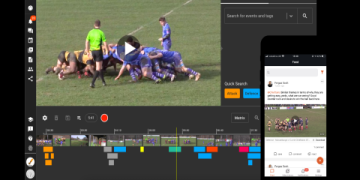
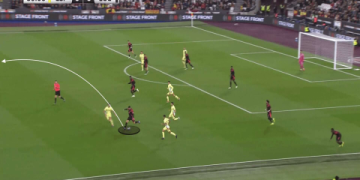
AI tracking cameras use computer vision to automatically follow athletes, analyze movements, and record games—without a human operator. These smart cameras identify players, recognize plays, and create highlight reels, all hands-free. They’re transforming how teams and schools capture matches, train, and engage fans.
Based on recent research, global sales of smart sports cameras are projected to hit $1.4 billion by 2025 (Source: MarketsandMarkets). Clearly, these devices aren’t just a trend—they’re fast becoming a must-have.
# How AI Tracking Cameras Work: The Science Explained
AI tracking camera for sports relies on neural networks and motion prediction algorithms. Here’s the process:
1. Detection: The camera spots athletes or objects using machine learning.
2. Identification: It distinguishes between players (for example, by jersey color).
3. Tracking: The lens automatically pans, tilts, or zooms in on the action.
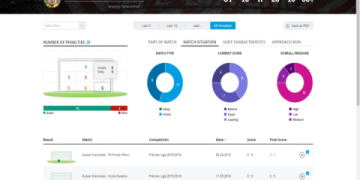
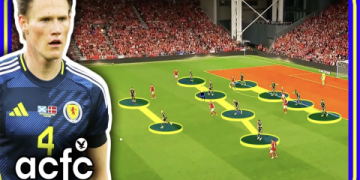
4. Analytics: Some models provide live data, heat maps, or performance stats.
5. Integration: Syncs highlights instantly to cloud platforms or coaching apps.
For context, Pixellot’s AI sports cameras can track up to 22 players simultaneously and edit footage in real time (Source: Pixellot Official Website). That’s a gigantic leap from manual filming.
# Comparing Top AI Tracking Cameras for Sports
Not all smart cameras are built the same. Let’s dive into a comparison of two popular products—Pixellot and Veo.
| Feature | Pixellot | Veo |
|---|---|---|
| Tracking Technology | Full AI, Multi-Object | AI-Based, Single/Multiple Player |
| Resolution | 1080p/4K | 1080p |
| Live Streaming | Yes (Cloud-Based) | Yes |
| Player Analytics | Advanced (Heatmaps, Stats) | Basic |
| Setup Ease | Quick, Automated | Plug & Play, Manual Adjustments |
The takeaway? If detailed analytics and automation are your priorities, Pixellot is hard to beat. Veo excels in simplicity and rapid deployment, ideal for grassroots teams.
# Step-by-Step Guide: Setting Up Your AI Tracking Camera for Sports
Ready to install your camera? Here’s how to do it right:
1. Choose the Perfect Location: Find a spot with a clear view of the playing area. Midfield is usually best.
2. Mount Securely: Attach the camera firmly to avoid vibration. Tripods or fixed mounts work.
3. Connect Power and Network: Use stable internet (Ethernet or 4G hotspot) and ensure reliable power.
4. Calibration Time: Follow the device app’s prompts to calibrate field dimensions and zones.
5. Test and Review: Record a mock session to confirm tracking accuracy and coverage.
According to my experience working with youth soccer clubs, a poorly placed camera leads to missed action and wasted tape. Double-check sightlines before every game.
# Common Pitfalls When Choosing an AI Tracking Camera for Sports
Here’s where many teams slip up—ignoring these factors can lead to headache later.
ATTENTION: DO NOT overlook lighting conditions. AI algorithms need consistent, strong lighting to deliver sharp footage. Avoid backlighting and check for glare.
ATTENTION: Verify compatibility with your video analysis software and streaming platforms before buying.
ATTENTION: Don’t assume every camera supports your sport. Some are optimized for soccer, basketball, or even tennis—read the specs carefully.
# Real-World Applications and Outcomes
AI tracking camera for sports isn’t just for pro leagues. Schools use them for practice reviews; parents capture milestones with zero fuss; organizers live-stream tournaments to fans worldwide.
Have you ever watched a youth match with smooth auto-framing and instant replays? That’s the magic of AI in action. In 2022, over 75,000 games were recorded using AI cameras across Europe (Source: Veo Annual Report).
# Choosing the Best Model: Factors That Matter
Here’s what you should weigh alongside price:
– Sport-Specific Algorithms: Does it work for your game (e.g., soccer, basketball, hockey)?
– Resolution & Frame Rate: Higher specs mean clearer motion capture.
– Battery Life: Outdoor events demand 4+ hours of filming.
– Cloud Sync: Fast uploads enable remote coaching.
– Subscription Fees: Some brands require monthly plans; others have one-time costs.
– Customer Support: Is there local help or quick replacements for faulty units?
# Expert Checklist: Buying and Using an AI Tracking Camera for Sports
Use this for your next purchase or setup:
CHOOSE a model that matches your sport’s requirements.
CHECK the camera’s AI accuracy score and supported features.
ENSURE network stability and power backup on event day.
TEST tracking with a real practice before live gameplay.
CONFIRM compatibility with your current coaching software.
PLAN for lighting and mounting before arrival.
REVIEW latest firmware updates for improved performance.
SECURE manufacturer support for troubleshooting.
# Conclusion
AI tracking camera for sports is a game-changer for anyone serious about performance, fan engagement, and video analysis. Do your homework, compare models, and avoid common rookie errors. With the right setup, you’ll capture every moment—hands-free, hassle-free, and ready for greatness.