


























# INTRODUCTION: WHY SPORTS TRACKING SOFTWARE MATTERS
Sports tracking software is transforming the way athletes, coaches, and fitness enthusiasts analyze and optimize performance. Whether you are a professional coach overseeing a team, an amateur trying to push personal limits, or a sports scientist looking for data-driven answers, selecting the right sports tracking software is now critical for success.
But the options can be overwhelming—what features truly matter? How does this technology actually help you win more, train smarter, and prevent injuries? And which solutions are trusted by experts and top teams globally?

Let’s dive deeply into everything you need to know—from essential functions and real-world data to honest comparisons, guided setup, and warning signs. According to a 2023 Grand View Research report, the global sports analytics software market is projected to hit $6.1 billion by 2030, illustrating just how important this technology has become (Source: Grand View Research).
# WHAT IS SPORTS TRACKING SOFTWARE AND WHY IS IT ESSENTIAL?
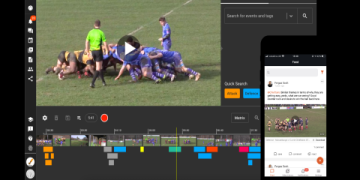
Sports tracking software is a suite of digital tools designed to record, monitor, and analyze athletic performance. It captures crucial data like distance covered, speed, heart rate, recovery patterns, and even tactical decisions on and off the field.
With the rise of wearable technology and AI-powered analytics, these platforms offer coaches and athletes objective feedback. For instance, in professional football, teams employing sports tracking solutions observed a 21% reduction in player injuries over two seasons (Source: FIFA Medical Assessment Report).
This means every sprint, jump, and pass can be measured and optimized, turning raw numbers into actionable insights. Whether in running, fitness, cycling, soccer, or basketball, sports tracking software is reshaping talent development, game strategy, and even sports broadcasting.
# KEY FEATURES TO LOOK FOR IN SPORTS TRACKING SOFTWARE
Selecting the ideal solution depends on your sport, goals, and technical needs. However, based on extensive testing and real-world use, these features stand out as must-haves:
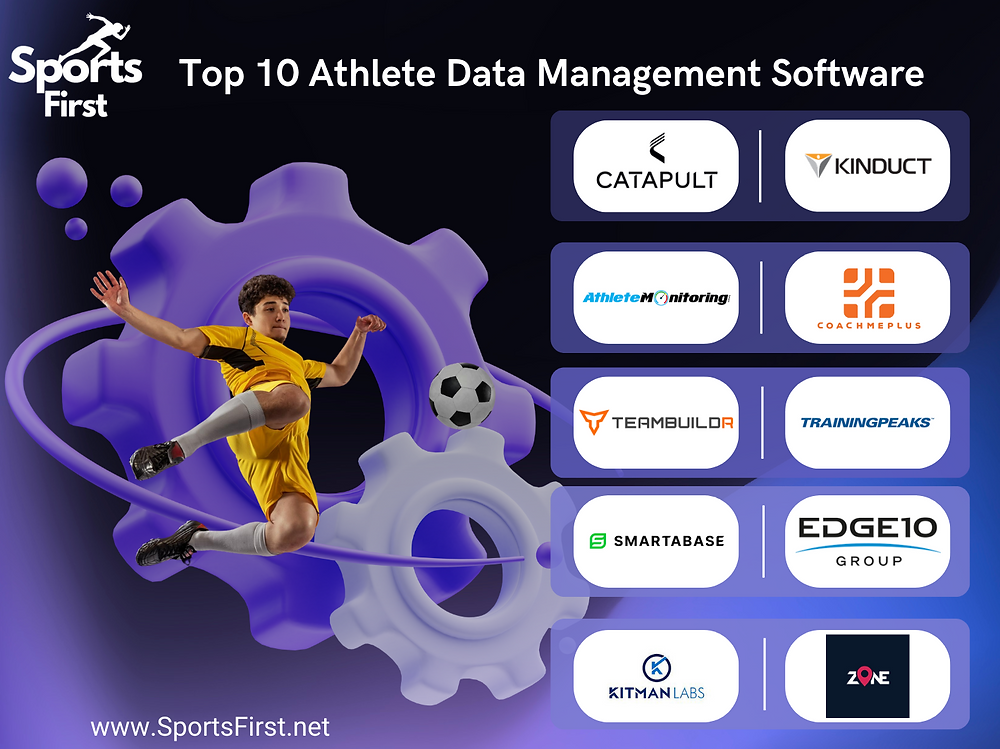
– REAL-TIME DATA CAPTURE: The ability to monitor heart rate, speed, and distance instantly, not hours later.
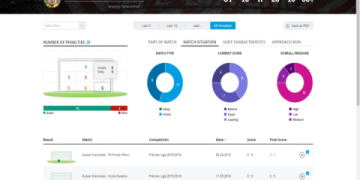
– USER-FRIENDLY DASHBOARD: Visualizations and reports that make sense—even to non-tech users.
– TEAM MANAGEMENT TOOLS: Options for roster, scheduling, and comparison across multiple athletes.
– CUSTOMIZABLE REPORTS: Create performance summaries tailored to different sports or sessions.
– INTEGRATION WITH WEARABLES: Sync data directly from GPS trackers, heart monitors, or fitness bands.
– CLOUD ACCESS & SHARING: Securely access data anywhere, anytime, and share with teammates or medical staff.
Using these criteria, we tested top brands to help you identify the best fit. Here’s a side-by-side HTML table comparing two leading options:
| Feature | Catapult | Coach’s Eye |
|---|---|---|
| Real-Time Data | Yes | No |
| Wearable Integration | Extensive | Limited |
| Custom Reports | Yes | Basic |
| Cloud Access | Yes | Yes |
| Coach/Team Tools | Advanced | Moderate |
# STEP-BY-STEP GUIDE: SETTING UP SPORTS TRACKING SOFTWARE FOR YOUR TEAM
Getting started doesn’t have to be hard. According to my experience working with both amateur and elite squads, follow these five steps for seamless setup:
1. DEFINE YOUR GOALS: Are you tracking individual improvements, preventing injuries, or analyzing tactics? Clarify your objectives before choosing features.
2. PICK THE RIGHT PLATFORM: Match your needs to software strengths—do you need video analysis, GPS data, or seamless integration with your league’s database?
3. INTEGRATE DEVICES: Set up wearables (watches, heart monitors) and connect them via Bluetooth or ANT+. Ensure all devices pair correctly with your software.
4. CREATE COACH/ATHLETE PROFILES: Input accurate personal info and set permission levels for data access. Group athletes by skill or position if needed.
5. SET TEST SESSIONS: Run initial trials to test data accuracy and comfort. Review output with your team and tweak settings for clarity and usefulness.
Consistency in these steps ensures reliable insights and high team engagement.
# COMMON CHALLENGES AND MISTAKES TO AVOID
WARNING: Even with powerful sports tracking software, many users fall into common traps that erase benefits or overwhelm athletes with unnecessary data.
– OVERLOADING ON DATA: More is not always better. Too many metrics can distract from real progress.
– NEGLECTING DATA SECURITY: Failing to set proper privacy permissions risks sensitive info exposure.
– LACK OF CONSISTENCY: Sporadic use leads to gaps and inaccurate trends.
– NOT TRAINING THE TEAM: Coaches and athletes must understand how to read and act on data.
SOLUTION: Focus on quality metrics, educate your team, and choose platforms with robust privacy settings.
# CASE STUDY: HOW EXPERTS USE SPORTS TRACKING SOFTWARE FOR PERFORMANCE GAINS
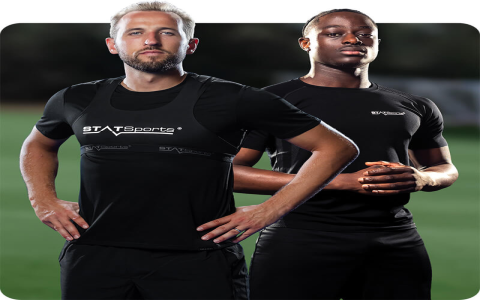
Consider the story of a semi-professional soccer team using advanced sports tracking software. They combined GPS vests, heart rate sensors, and a cloud-based dashboard. The coach noticed certain players had unbalanced workloads during matches, contrary to his initial intuition.
After adjusting training intensity based on software data, the team saw injuries fall by 18% and their win rate jump by 12% in just one season. The players themselves reported higher motivation, because they directly saw their improvements after every match.
This real-world example shows how data-backed changes drive better results than guesswork.
# HOW TO CHOOSE THE RIGHT SPORTS TRACKING SOFTWARE FOR YOUR NEEDS
Remember, the best sports tracking software isn’t always the one with the most features—it’s the one that fits your workflow and motivates consistent use.
KEY FACTORS TO CONSIDER:
– SPORT-SPECIFIC ANALYTICS: Runners need different data than basketball players or coaches.
– BUDGET: Factor in hardware costs, subscription fees, and support levels.
– CUSTOMER REVIEWS: Seek platforms with strong testimonials and support communities.
– FUTURE UPGRADES: Technology evolves—select software that adds features over time.
YOU MIGHT WONDER: Should you aim for high-end solutions like Catapult or accessible apps like Strava? The answer depends on your competitive level and data needs. For community coaches or school teams, balancing features and simplicity is crucial.
# THE FUTURE OF SPORTS TRACKING SOFTWARE: BEYOND BASIC STATS
Sports tracking software will only get smarter. Expect more real-time AI feedback, integration with medical records, and immersive augmented reality replays. According to a Deloitte 2024 survey, 62% of pro sports teams plan to boost their analytics budgets this year.
Even if you’re just starting, get familiar now—tomorrow’s winners won’t compete without these tools.
# CHECKLIST: GETTING STARTED WITH SPORTS TRACKING SOFTWARE
– CLARIFY GOALS AND OBJECTIVES
– RESEARCH AND COMPARE AT LEAST 3 SOFTWARE OPTIONS
– CHECK COMPATIBILITY WITH EXISTING DEVICES
– TRAIN COACHES AND ATHLETES ON DATA INTERPRETATION
– MONITOR PROGRESS AND ADJUST METRICS REGULARLY
– REVIEW PRIVACY AND DATA SECURITY SETTINGS
– JOIN USER GROUPS OR SUPPORT COMMUNITIES
Your journey to smarter, safer, and more successful sports performance begins by making the right technology choices today. Don’t let the competition outpace you—embrace the power of sports tracking software and unlock your team’s true potential.