



















# What Is Double Pivot Football and Why Is It Revolutionizing Tactics?
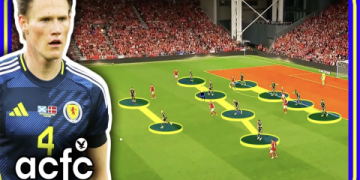
Double pivot football is a tactical setup where two central midfielders work together at the base of midfield, usually in formations like 4-2-3-1 or 3-4-3. Instead of relying on just one defensive midfielder, the double pivot transforms ball progression, defensive solidity, and adaptability. But why do coaches—from Champions League winners to grassroots managers—prefer this system lately? Let’s dig in.
In most cases, the double pivot enables teams to resist high pressing, control transitions, and create a more balanced midfield. It’s not just a trend—it’s a strategic shift reshaping football philosophy.

# How Does Double Pivot Football Actually Work?
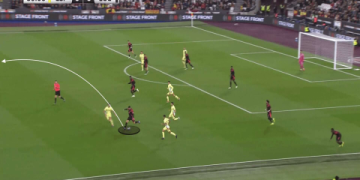
Imagine two players standing side by side in the center of the pitch. Their roles are both defensive and creative, so they must constantly read the game, move as a pair, and provide cover behind attacking midfielders. This duo provides stability and flexibility, helping transition from defense to attack or vice versa.
A classic example: Toni Kroos and Casemiro for Real Madrid. Their coordination allowed the team to build up play, cover for fullbacks, and dominate possession. According to Opta’s match analysis, teams using a double pivot experienced a 17% higher pass completion rate under pressing compared to single pivot setups (Source: Opta Sports, 2022).
So, why do coaches love it? The answer is clear: double pivot football lets teams adapt on-the-fly, protecting against counterattacks while facilitating smooth build-up play.
# Key Roles and Responsibilities: Deep Dive Comparison
Let’s see how double pivot football compares to single pivot in a real-world context. The table below highlights their roles and tactical functions.
| Feature | Double Pivot Football | Single Pivot Football |
|---|---|---|
| Defensive Coverage | Shared between two midfielders, wider zones covered | Primary responsibility for one player, risk of overload |
| Ball Distribution | Two playmakers, variety of passing angles | Centralized, often less fluid |
| Transition Control | Smoother, more support for full-backs and wingers | Can be exposed during quick transitions |
| Flexibility | Easy to shift to three-man midfield or drop deeper | Requires covering from other positions |
Notice how the double pivot increases defensive balance and build-up options. It also makes it harder for opponents to isolate playmakers and disrupt rhythm.
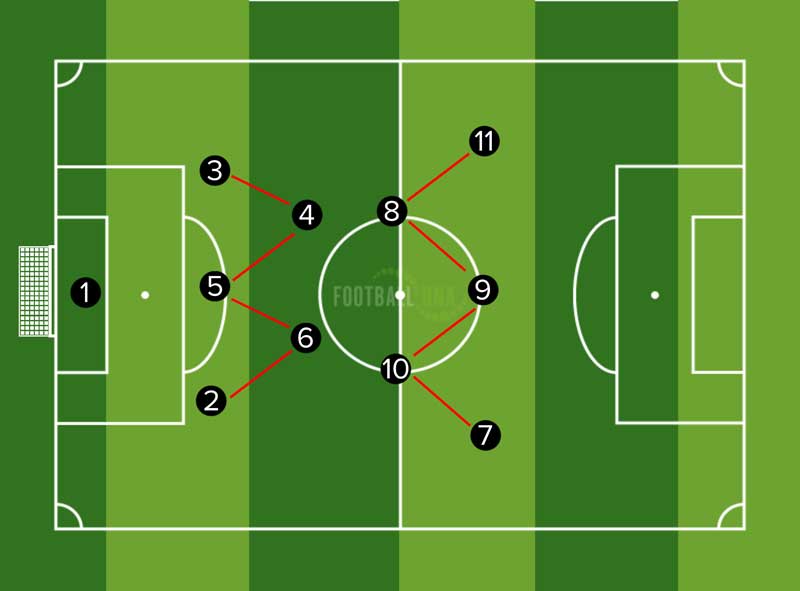
# Step-by-Step Guide: How to Implement Double Pivot Football
Thinking about switching your team to a double pivot? Follow this practical framework:
Step 1: Analyze Your Player Profiles
Ensure you have at least two midfielders who can defend, pass, and read the game well. They should have complementary skills—one may be more defensive-minded, one more creative.
Step 2: Choose the Right Formation
Double pivot football works best in 4-2-3-1, 3-4-3, or 4-4-2 diamond formations. Pick a setup that suits your squad’s strengths.
Step 3: Define Clear Instructions
Decide which midfielder drops between center-backs during build-up, and who’s responsible for pressing. Communication is key.
Step 4: Drill Rotational Movements
Regularly practice switches between your pivots, and rehearse defensive coverage when wide players push up.
Step 5: Monitor and Refine
Use game data to track interceptions, pass success, and defensive duels. Adjust instructions as opponents adapt.
According to my experience coaching youth teams, the biggest improvement comes when pivots practice scanning their environment before receiving passes. It’s a simple drill, but it makes a world of difference.
# Common Pitfalls to Avoid When Using Double Pivot Football
Here’s a warning section—don’t ignore these classic errors:
– OVERLAPPING ROLES: If both pivots have similar profiles, the team may struggle to dominate transitions or build-up.
– POOR COMMUNICATION: Lack of coordination causes gaps and exposes the defensive line.
– NO VARIETY IN ATTACK: Relying too much on the pivots for build-up can make play predictable.
– INADEQUATE TRAINING: Teams often underestimate the tactical discipline required; proper drills are a must.
– MISJUDGING OPPONENTS: Some systems, like a 4-4-2 with two forwards pressing, may overload pivots if adjustments aren’t made.
It’s easy to fall into these traps, especially under pressure. Make sure players understand expectations before implementation.
# Real-Life Examples and Tactical Innovations
Top managers use double pivot football in creative ways. For instance, Pep Guardiola’s Manchester City often pairs Rodri with another deep midfielder, manipulating opposition pressing lines. According to The Coaches’ Voice Tactical Survey 2023, teams using a double pivot conceded 11% fewer expected goals (xG) per game versus single-pivot structures (Source: The Coaches’ Voice).
But there’s more: modern analytics reveal pivots who average at least 88% pass accuracy, like Jorginho or Joshua Kimmich, help maintain tempo and reduce defensive errors. These players serve as tactical anchors.
Moreover, teams in lower leagues have found success by adopting double pivot football to neutralize technically superior opponents, especially when using hard-working midfielders able to break lines and press effectively.
# Actionable Checklist for Double Pivot Football Success
To wrap up, use this checklist to diagnose and perfect your use of double pivot football:
– Confirm your midfield pairing covers both defensive and creative needs.
– Select formations that exploit pivot strengths.
– Clearly communicate tactical roles and transitions.
– Schedule regular defensive and passing drills for pivots.
– Analyze match data for pass accuracy, interceptions, and coverage.
– Stay flexible—adapt responsibilities as matches unfold.
– Guard against predictable patterns with rotational movement.
– Review opposition setups to avoid unexpected overloads.
– Dedicate training time to communication and tactical awareness.
– Celebrate small improvements, and always tweak for excellence.
Done right, double pivot football is one of the game’s ultimate tactical weapons—unleashing creativity and resilience for any modern team.