


























For seventy-five years the All-NBA ballot has looked the same: two guards, two forwards, one center. That tidy taxonomy, codified when the league still used set plays out of a pivot-post world, is now colliding with a basketball reality in which 6′ 11″ teenagers enter the league calling themselves “wings,” 7-footers run the break, and a 6′ 4” combo guard spends half the night screening for a 6′ 9” point forward. The question circulating in Slack channels, Reddit threads and even the Board of Governors’ own inboxes is simple: is All-NBA positionless?
The short answer: not yet, but the league is closer than ever to shredding the positional straitjacket. In 2022 the NBA removed the “center” label from the media ballot, replacing it with “frontcourt.” Voters can now pick any three frontcourt players, meaning a theoretical lineup of Giannis Antetokounmpo, Jayson Tatum and Nikola Jokić is fully legal. The move was framed as a minor tweak; in practice it was a concession that traditional positions no longer map to modern roles.
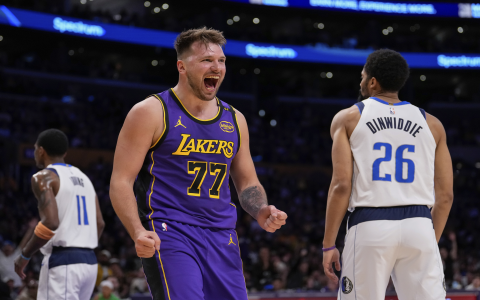
Look at this season’s leading candidates and the rupture is obvious. Jokić, the reigning two-time MVP, initiates offense more frequently than his own point guard. Joel Embiid’s usage rate sits in the 99th percentile among seven-footers since 1996, yet he is functionally a jumbo isolation scorer. Meanwhile, Luka Dončić is listed as a guard, defends like a forward, and posts up at a higher frequency than most centers. If the objective of All-NBA is to honor the five most impactful players, forcing them into positional buckets increasingly feels like asking Spotify to file Beyoncé under “cassette.”

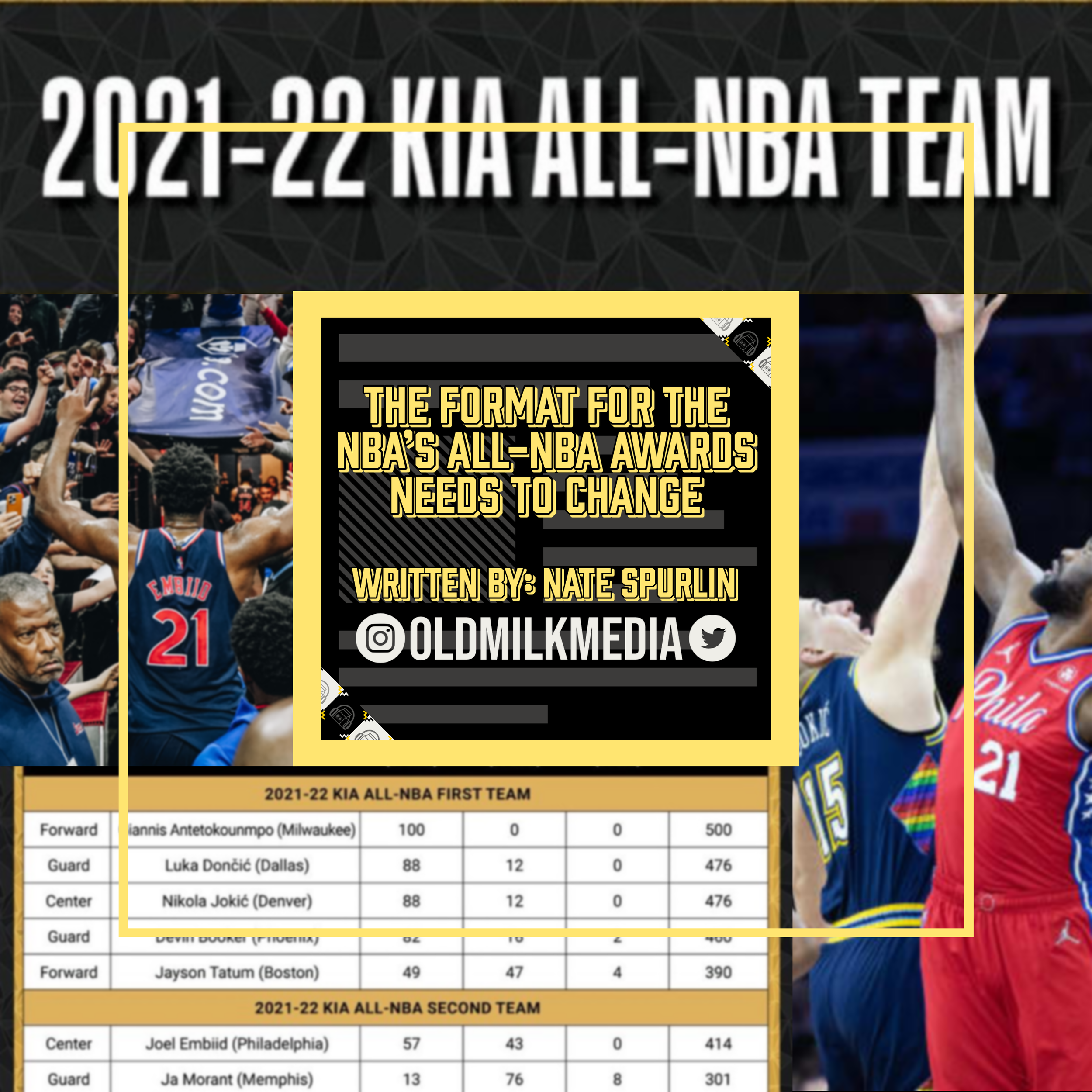
Analytics departments have lobbied for a purely meritocratic top-five, arguing that positional constraints punish versatile superstars and reward specialists who scrape into thin categories. An internal study circulated last summer showed that switching to a positionless format would have replaced the 2022-23 Third Team’s lowest-ranked guard with a forward who registered 4.3 more win shares and 1.8 more Estimated Wins Added. The league office listened, but wary of alienating traditionalists—and headline writers—it stopped short of abolishing positions entirely.
Media voters are split. Older beat writers warn that removing positions would further dilute the value of true big men, who have already seen their market squeezed by pace-and-space economics. Others contend the honor should reflect the actual geometry of the court, not 1950s nomenclature. The players themselves rarely sound off publicly, but privately most guards shrug—“Put me wherever, just don’t leave me off”—while elite centers quietly prefer the protected slot that guarantees at least one roster spot to a pivot.
Sponsorship and broadcast partners are another invisible constituency. League partners package All-NBA reveals around positional branding—“Best Bigs,” “Top Backcourts”—and fear that a faceless top-five list could flatten narrative arcs that drive viewership. Yet the NFL has long selected All-Pro without offensive-line slots, and no fan refuses to watch because Quenton Nelson isn’t labeled a “left guard.”
Market dynamics may finally settle the debate. With super-max extensions tethered to All-NBA selections, positional rigidity can cost players literally tens of millions. A borderline star who misses the cut because he’s slotted behind two generational talents at his “position” can argue, with increasing legal plausibility, that the criteria are no longer rational. One agent told The Athletic he’s already crafting a grievance that would force arbitration if a client on a max trajectory is left off because of positional traffic.
The most likely next step is a hybrid: continue listing players as guard, frontcourt, frontcourt on the ballot, but add an alternate “flex” slot that allows voters to select a sixth man irrespective of position. Over a three-year phase-in period the flex pick could expand to a full positionless team, giving stakeholders time to repackage marketing collateral and fans time to recalibrate their arguments.
Regardless of format tweaks, the philosophical shift is irreversible. Basketball is positionless; its highest individual honor will follow. The only question is whether the league pulls the Band-Aid off in one motion—announcing one winter night that the 2027 All-NBA Team is simply the five best players on Earth—or lets the old categories limp along, asterisked and anachronistic, until even the most nostalgic voter surrenders. Either way, the era of the rigid five-man archetype is ending. All-NBA isn’t quite positionless today, but the ink on the obituary is already drying.