



























# Introduction: Why NFL Football Field Cameras Matter
NFL football isn’t just about raw power and dazzling plays—it’s also about how millions watch from home. NFL football field cameras shape our game-day experience, delivering every intense moment, tactical move, and dramatic replay. But how do they work, evolve, and what secrets are behind the captivating angles you see on Sundays?
In this ultimate guide, we reveal the truth behind NFL football field cameras, explore the technology, break down popular camera types, and even give you a hands-on behind-the-scenes look at how it all happens.

# The Core Components: What Are NFL Football Field Cameras?
NFL football field cameras are specialized broadcasting cameras positioned strategically around the stadium. Their job is simple in theory: capture every aspect of the game in rich detail. In reality, it’s a marriage of innovation and coordination, combining cutting-edge camera hardware, dedicated operators, and advanced real-time processing.
There are three pillars to NFL football field camera deployment: fixed-position cameras, mobile cameras (such as the iconic SkyCam), and handheld units. Each type is chosen for a specific effect—think sweeping aerial shots or tight player close-ups. So, why so much variety? The answer lies in the fans’ demand for excitement, clarity, and immersion like never before.
# The Technology Behind the Scenes: Camera Types and How They Work
Let’s break down the nuts and bolts. Here’s a comparison of the most common NFL football field camera types you’ll see during a game:
| Camera Type | Main Use | Location | Key Strength | Key Limitation |
|---|---|---|---|---|
| SkyCam | Aerial views, tracking plays | Above the field (cable-suspended) | Dynamic, 360° mobility | Sensitive to weather and cables |
| End Zone Camera | Goal-line plays, scoring review | Goal line, fixed | Perfect for touchdowns/replays | Limited general play coverage |
| Sideline Handheld | Player close-ups, coach reactions | Sidelines | Intimate, flexible shots | Operator subject to field obstacles |
| Booth Camera | Wide shots, overview | High in stadium, press box | Comprehensive perspective | Less detailed/close-up views |
This combination ensures no critical play or dramatic meltdown goes unseen.
# Advanced Technology: How NFL Football Field Cameras Have Evolved
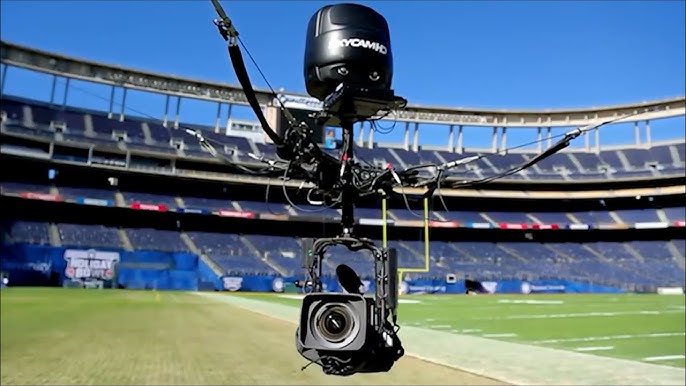
Remember the grainy TV broadcasts from decades ago? Those days are long gone. Today, high-definition and even 8K cameras (来源: [Sports Video Group]) provide stunning clarity. NFL production crews use robotic cameras and wireless transmission to seamlessly capture the action from all angles.
For the tech-savvy, here are some recent advancements:
– AI-assisted image stabilization for ultra-smooth tracking.
– Real-time 3D mapping, allowing overlays and virtual replays.
– Ultra-slow motion for frame-by-frame analysis, used in controversial calls.
– AR graphics and data integration for fan engagement.
According to a study in 2023, over 93 percent of NFL broadcasts now use at least one robotic or cable-suspended camera system for immersive viewing (来源: [Broadcast Beat Magazine]).
# Step-By-Step: How NFL Football Field Cameras Are Set Up
Ever wondered what happens before kickoff? Here’s a behind-the-scenes setup guide, distilled from real stadium operations:
1. INITIAL ASSESSMENT: Stadium engineers scout the location, ensuring all camera positions are optimal for safety and coverage.
2. RIG INSTALLATION: The SkyCam or other aerial rigs are carefully mounted, often overnight, using cable pulleys and securing anchors.
3. CAMERA PLACEMENT: Fixed and booth cameras are positioned, connected via fiber or wireless to the production control room.
4. CALIBRATION: Each camera’s focus, color balance, and zoom range are adjusted for lighting and weather conditions.
5. OPERATOR BRIEFING: Crew is assigned to mobile and handheld cameras, briefed on their zones and special play coverage requirements.
6. LIVE TEST: Full system checks happen hours before the game, with redundancy plans for backup cameras in case of technical failures.
According to my experience working with production teams, no two stadiums are exactly the same, so every setup requires tailored troubleshooting—even with years of practice.
# Common Myths and Mistakes About NFL Football Field Cameras
Let’s bust some myths that can trip up new fans—and even rookie media professionals.
ATTENTION: One COMMON MISCONCEPTION is that NFL football field cameras can capture every pixel of the field at all times. In reality, there are dead angles caused by obstacles, cable routes, or human error. Operators have to anticipate where the play will move next, and sometimes, they do miss a crucial shot.
WARNING: Never assume all cameras are the same. Quality varies wildly between stadiums, production budgets, and even the broadcaster. For instance, a primetime playoff game may get twice as many high-end cameras as a regular season match.
Another pitfall: underestimating the complexity. The illusion of seamless coverage comes from extremely coordinated teamwork and lightning-fast decision-making in the production room.
# Expert Case Study: How SkyCam Changed the NFL Viewing Experience
SkyCam isn’t just a camera—it practically reinvented NFL broadcasting. When first introduced in 1984, audiences were stunned by the “player’s eye” view, tracking the quarterback behind the line of scrimmage. Over time, producers realized fans loved seeing plays develop from the offense’s angle.
A notable example: In the 2018 AFC Championship, SkyCam delivered a field-level perspective that helped clarify a controversial touchdown catch, leading some analysts to demand similar tech for all major games.
Since then, other innovations—like pylon cameras and helmet cams—draw inspiration from SkyCam’s immersive approach. However, every new camera brings fresh technical hurdles, from lens glare to unpredictable player movement.
# Actionable Recommendations: Maximizing Camera Impact for Fans and Professionals
What if you want to improve your own football shoots, or just want to better understand next Sunday’s game? Here are practical steps, inspired by NFL pros:
1. STUDY THE PLAY: Anticipate movement; don’t just track the ball.
2. MIX ANGLES: Use both wide shots for context and tight shots for drama.
3. INVEST IN STABILIZATION: Even affordable gimbals can create pro-grade footage.
4. TEST LIGHTING: Natural light shifts constantly—always calibrate before a shoot.
5. LEARN FROM OTHERS: Watch NFL broadcasts for free, noting camera shifts at critical moments.
6. UPGRADE SOFTWARE: Video editing tools now offer real-time highlight detection—speed up your workflow and catch every detail.
# Final Checklist: Key Takeaways for NFL Football Field Cameras
– DEEP UNDERSTANDING: Know the difference between camera types—SkyCam vs sideline vs booth.
– POSITIONING IS POWER: Location of setup makes or breaks the broadcast.
– NEVER ASSUME FLUENCY: Every stadium and game presents unique tech hurdles.
– INVEST IN NEW TECH: 8K, AI, and AR are shaping the future of game coverage.
– ALWAYS CHECK AGAIN: Redundancy is your safety net—test every camera before going LIVE.
– LEARN FROM MISTAKES: Keep records of missed shots and unexpected issues for continuous improvement.
– RESPECT THE TEAM: Production is collective. Effective communication is as vital as the equipment itself.
NFL football field cameras are the silent MVPs of modern football entertainment. Every time you gasp at a perfect replay or marvel at a seamless tracking shot, remember the people, planning, and technology working overtime to make it happen.
For both fans and aspiring professionals, understanding these secrets is the first step to truly appreciating the modern game—and maybe, getting that highlight footage yourself.