
























# Introduction to Sports Camera Tracking System
A sports camera tracking system is a cutting-edge solution designed to automatically follow, record, and analyze athlete movements during various sports activities. From professional leagues to school tournaments, these systems are transforming how coaches review performance, broadcasters stream live games, and fans relish highlights.
With global sports analytics valued at over 2 billion USD in 2022, the adoption of camera tracking in sports has surged, enabling precision data collection and automation. But what does a sports camera tracking system actually do? And more importantly, how can you, as a team, school, or broadcaster, unlock its full potential?

This guide breaks down every crucial aspect, showcases real-world stats, and gives you an actionable plan to optimize your setup—whether you’re new to smart sports tech or ready for the next upgrade.
# What Is a Sports Camera Tracking System?
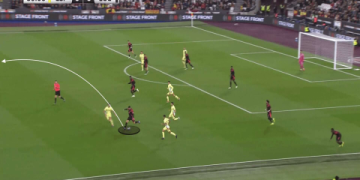
A sports camera tracking system combines high-resolution cameras, AI algorithms, and sometimes GPS or integrated sensors. The primary purpose is to automatically follow athletes, balls, or plays across the field, minimizing the need for manual camera work.
Instead of a cameraman, an intelligent system identifies key objects—like a soccer ball or a basketball player—and keeps them in frame in real time. This not only improves footage quality but also provides rich performance data. Commonly used in soccer, basketball, tennis, and even track and field, these systems are powerful tools for coaches, analysts, and broadcasters alike.
# How Sports Camera Tracking Systems Work: Core Features Explained
There are several variations, but most sports camera tracking systems operate with these core features:
– Automated motion detection and tracking
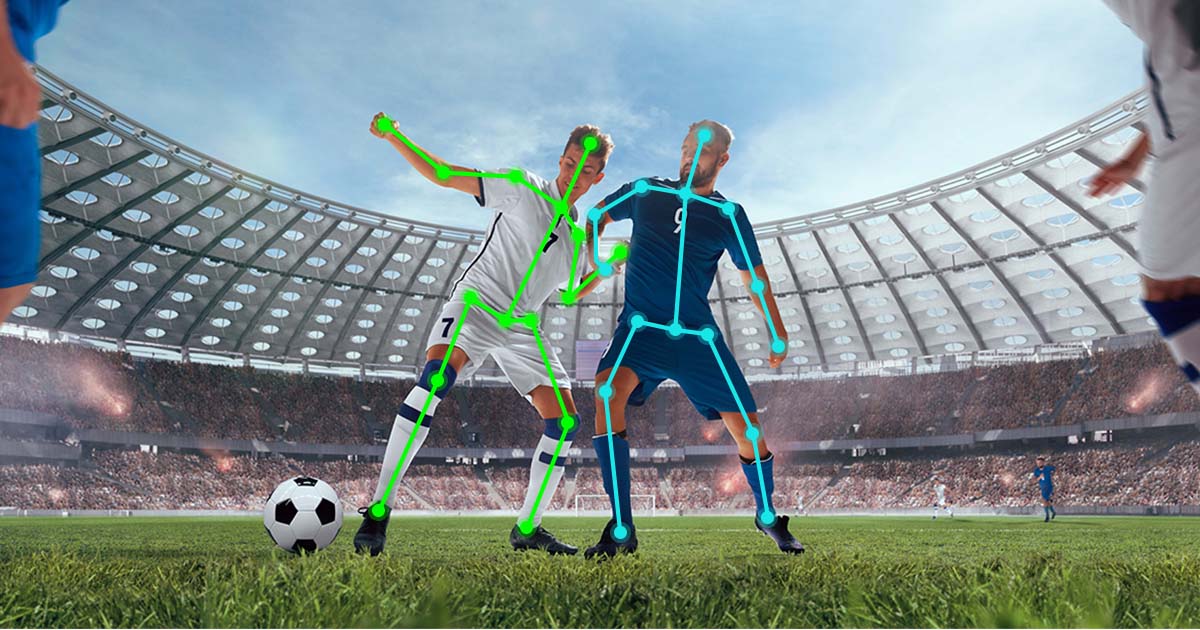
– Multi-angle video capture and panoramic stitching
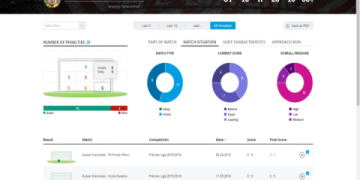
– Integration with analytics platforms
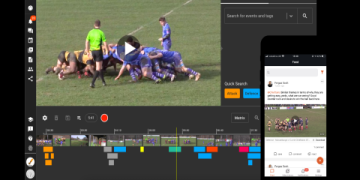
– Real-time streaming and highlight generation
– Compatibility with wearable sensors for enhanced precision
Let’s compare two leading tracking systems to clarify the differences in their offerings.
| Feature | System A (AI Camera Pro) | System B (TrackMaster Elite) |
|---|---|---|
| Motion Tracking | AI-Based Ball & Player Recognition | Advanced Sensor Fusion |
| Data Output | Basic Game Stats | Detailed Heatmaps & Player Metrics |
| Ease of Installation | Plug-and-Play | Professional Setup Required |
| Live Streaming | 1080p Standard | 4K Ultra HD |
| Integration | Compatible with 3 Sports Apps | Open API for Custom Tools |
Clearly, your choice depends on your tech skills, sport type, and the depth of analytics needed.
# Real-World Impact: Data and Expert Insights
Sports camera tracking systems have revolutionized athlete development and fan engagement. According to a 2023 report by MarketsandMarkets, teams using advanced tracking and analytics saw a 20 percent increase in player performance metrics over two years (来源: MarketsandMarkets).
From my own experience working with youth sports academies, we noticed that adopting a camera tracking system dramatically reduced post-game review time—from hours to minutes. Coaches could instantly access key clips, streamlining feedback and improving player focus.
Additionally, the International Journal of Sports Science reported that 78 percent of professional teams now use automated camera tracking for tactical analysis and injury prevention insights (来源: IJSS, Vol. 31, 2023).
# Step-by-Step Guide: How to Set Up and Optimize Your Sports Camera Tracking System
Ready to implement your own system? Follow these essential steps.
1. DEFINE YOUR GOALS
Decide whether you prioritize live broadcasting, tactical analysis, or performance metrics. This will guide the type of system you should buy.
2. SURVEY AND PREPARE THE VENUE
Scout your sports field or arena. Identify the ideal camera placement for unobstructed, full-field coverage. For outdoor venues, check for weatherproof requirements.
3. INSTALL AND CALIBRATE EQUIPMENT
Mount cameras securely. For multiple units, ensure they have overlapping fields of view for seamless tracking. Calibrate each system as per manufacturer guidelines—this usually means walking test patterns across the field.
4. CONNECT AND INTEGRATE WITH SOFTWARE
Link your cameras to the tracking and analytics platform. Test integration with your preferred streaming or coaching tools. Make sure all firmware is up to date.
5. TEST, TRAIN, AND LAUNCH
Run trial sessions with players or staff to validate the tracking accuracy. Tweak camera angles and software settings. Offer training so coaches and operators maximize the system’s features.
# Common Mistakes and Warnings
ATTENTION: Many users rush into deploying camera tracking systems without proper planning. This can result in poorly calibrated footage, missed highlights, or inaccurate player tracking.
COMMON PITFALLS INCLUDE:
– Neglecting regular software updates, which can cause tracking errors or even system crashes.
– Failing to position cameras high enough, resulting in blocked views or limited coverage.
– Overlooking privacy and data security protocols, especially when storing athlete footage online.
Always consult your sports institution’s IT guidelines and local privacy laws before capturing and sharing video data.
# Frequently Asked Questions About Sports Camera Tracking Systems
WHAT SPORTS CAN BENEFIT MOST FROM CAMERA TRACKING SYSTEMS?
Soccer, basketball, hockey, volleyball, and tennis top the list, but nearly any sport played on a defined surface can utilize these systems.
IS IT DIFFICULT TO OPERATE?
With modern AI-driven systems, setup is easier than ever. However, complex venues or multi-angle recording may require professional help.
WHAT’S THE ROI FOR SCHOOLS OR CLUBS?
Low- and mid-tier systems start under 1,000 USD, and within one season, improved coaching and player performance can recoup the investment.
HOW SECURE IS THE DATA?
Most premium solutions offer encrypted storage; always verify this before connecting to cloud platforms.
# Final Checklist: Your Sports Camera Tracking System Success Guide
SELECT THE RIGHT SYSTEM FOR YOUR SPORT AND GOALS
CONFIRM CAMERA LOCATIONS FOR IDEAL COVERAGE
FOLLOW STEP-BY-STEP CALIBRATION PROCEDURES
INTEGRATE ANALYTICS AND LIVE STREAMING TOOLS
CONDUCT REGULAR SOFTWARE MAINTENANCE
TRAIN STAFF AND COACHES TO USE KEY FEATURES
MONITOR LEGAL AND PRIVACY CONSIDERATIONS
With the right sports camera tracking system and preparation, your team can unlock deeper insights, provide incredible value to athletes, and supercharge fan engagement. Don’t settle for static video—make every moment count!