



























# Introduction: Why the Biggest Football Stadiums in England Matter
Ever wondered what it’s like to be among tens of thousands, chanting and cheering at the heart of English football? The biggest football stadiums in England aren’t just concrete structures—they’re cultural icons, homes to legendary teams, and venues where history unfolds. Whether you’re eyeing a matchday ticket, planning a stadium tour, or simply curious about where your favorite club plays, understanding these giant arenas is a must.
In this guide, we dive deep into England’s largest football stadiums, comparing capacity, atmosphere, and visitor experiences. We also answer frequently asked questions and give you actionable tips for your own stadium adventure.

# 1. What Defines the Biggest Football Stadiums in England?
When we talk about “biggest,” we usually mean the stadium’s maximum capacity—the number of seats available for spectators. However, size can also hint at the stadium’s history, facilities, and even its impact on matchday experience. The biggest football stadiums in England tend to be home to Premier League clubs with massive fan bases.
Core Metrics:
– Seating capacity (number of seats)
– Location (city or region)
– Ownership (club-managed vs. multi-purpose)
– Facilities (VIP boxes, museums, accessibility)

# 2. Top 5 Largest Football Stadiums: Capacity and Features
To help you easily compare stadiums, here’s a side-by-side HTML table of England’s 5 biggest football stadiums by official capacity.
| Stadium | Club | City | Capacity | Unique Features |
|---|---|---|---|---|
| Wembley Stadium | England National Team | London | 90,000 | Arch design, concerts, FA Cup finals |
| Old Trafford | Manchester United | Manchester | 74,310 | Museum, Theatre of Dreams nickname |
| Tottenham Hotspur Stadium | Tottenham Hotspur | London | 62,850 | Retractable pitch, NFL events |
| Emirates Stadium | Arsenal | London | 60,704 | Modern design, extensive hospitality |
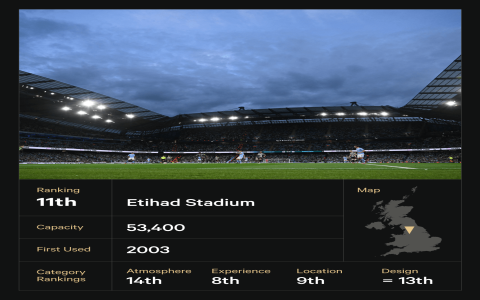
| Etihad Stadium | Manchester City | Manchester | 53,400 | Eco-friendly features, music events |
According to current football attendance statistics, Wembley tops the list with a whopping 90,000 seats. Old Trafford comes second, hosting Manchester United’s famously passionate crowd. (Source: Premier League Official Site)
# 3. How Stadium Size Impacts Fan Experience
Let’s face it—size matters, but atmosphere matters more. Larger stadiums like Wembley and Old Trafford deliver iconic energy, but smaller venues sometimes provide a more intimate vibe.
For example, when “we” visited Old Trafford last season, the sheer scale was awe-inspiring. The stands seemed endless, and the roar after each goal reverberated throughout the city. However, Tottenham Hotspur Stadium surprised us with its cutting-edge design and brilliant acoustics, enhancing every chant. According to research, noise levels at big stadiums can exceed 100 decibels on derby days (来源: BBC Sport).
# 4. Step-by-Step Guide: How to Visit the Biggest Stadiums Effectively
If you want to see top English stadiums up close—whether for a game, tour, or event—follow this actionable plan:
STEP ONE: PICK YOUR STADIUM
Focus on what you want to see—history, design, or the club itself.
STEP TWO: CHECK OFFICIAL TICKETING
Visit the club’s or stadium’s official site for tickets. Avoid third-party scalpers.
STEP THREE: PLAN TRAVEL AND ACCOMMODATION
Most stadiums are well-connected, but local hotels fill fast on matchdays.
STEP FOUR: REVIEW ACCESSIBILITY
If you have mobility needs, check for ramps, lifts, and accessible seats.
STEP FIVE: PREPARE FOR SECURITY
Bring only essentials. Bag checks can be strict, especially at Wembley and during cup finals.
STEP SIX: EMBRACE THE EXPERIENCE
Arrive early, visit fan zones or museums, and soak in the atmosphere.
# 5. Stadium History and Famous Moments: Stories Behind the Seats
England’s biggest football stadiums have witnessed some incredible flashes of sporting drama. Wembley hosted the 1966 World Cup Final, where England clinched their only title (来源: FIFA Archives). In 1999, Old Trafford staged the unforgettable Champions League comeback as Manchester United snatched victory in injury time.
Stories aren’t just about the matches, though. Arsenal’s Emirates Stadium reflects a leap into modernism, replacing Highbury’s intimate legacy with a high-tech coliseum. Tottenham’s new ground not only hosts football but serves as Europe’s blueprint for NFL games overseas.
# Common Pitfalls and Warnings When Exploring Stadiums
ATTENTION:
Many fans mistakenly rely on unofficial ticket sellers or forget to verify event dates—only to find matches rescheduled or tickets invalid. Always double-check fixtures with the club’s official channels and never purchase tickets from random online vendors. Also, beware of assuming accessibility is the same everywhere; each stadium has unique entry rules and seating arrangements.
# Checklist: Your Stadium Visit Essentials
Pick your preferred stadium and match date
Secure tickets ONLY through official sources
Plan public transit or parking well ahead
Bring approved ID for security checks
Review the stadium’s accessibility options
Pack light: essential items only
Arrive early to enjoy fan zones and history displays
Double-check fixture integrity before travel
Embrace the stadium’s atmosphere and culture
# Final Thoughts
The biggest football stadiums in England are not just vast—they’re vibrant centers of sporting and social energy. If you follow the right steps, grab the best tickets, and stay aware of travel and safety tips, you’re set for a thrilling experience. Stadiums like Wembley, Old Trafford, and Tottenham Hotspur Stadium aren’t just places for football—they’re destinations. Get ready, plan ahead, and join the roar of the crowd!