



























# Introduction: What Does World Cup Football Qualification Really Mean?
World cup football qualification is the intense journey national teams undertake to earn their place in the FIFA World Cup. Billions of fans worldwide closely track these matches, but what exactly is involved in qualifying? Is it just about winning games, or is there more beneath the surface?
The qualification process, shaped by regional confederations, includes grueling group stages, knockout rounds, and sometimes even dramatic playoffs. For nations, it’s a quest not just for pride but for legacy. Let’s dive into the full story behind world cup football qualification, using data, expert tips, and practical know-how.

# How Does the World Cup Football Qualification System Work?
The qualification structure varies across FIFA’s six confederations: UEFA (Europe), CONMEBOL (South America), CAF (Africa), AFC (Asia), OFC (Oceania), and CONCACAF (North and Central America & the Caribbean). Each region gets allocated a set number of slots for the World Cup finals, which influences how tough their pathways are.
Take UEFA as an example. For the 2022 World Cup, UEFA teams battled through ten groups, aiming to finish first for direct qualification or reach playoffs for another chance (source: UEFA). Over in CONMEBOL, all ten South American teams face each other in a league format, with the top teams advancing directly.
Here’s a side-by-side comparison of the main confederations’ qualification methods:
| Confederation | Group Format? | Knockout Rounds? | Total Qualification Slots |
|---|---|---|---|
| UEFA (Europe) | Yes | Yes (Playoffs) | 13 |
| CONMEBOL (South America) | No (Round Robin League) | No | 4.5 |
| CAF (Africa) | Yes | Yes (Final Playoff) | 5 |
| AFC (Asia) | Yes | Yes | 4.5 |
Note: The “.5” slot means a team enters an intercontinental playoff.
# Key Factors That Impact World Cup Football Qualification Success
What truly separates the winners from the nearly-men during world cup football qualification? According to FIFA’s 2022 technical analysis report (来源: FIFA Technical Study Group), teams that focus on tactical flexibility, squad depth, and psychological readiness consistently achieve better results.

From my team’s experience working with youth academies and national setups, here’s what matters:
1. Squad Rotation: Managing physical fatigue across qualifying games.
2. Set Piece Efficiency: Many crucial goals come from dead-ball situations.
3. Home Advantage: Win at home, draw or minimize losses away.
4. Adaptability: Adjusting strategies according to opponents and venue.
5. Mental Strength: Handling pressure in must-win matches, especially late-stage games.
Interestingly, data shows that teams with an average possession rate above 55% win 30% more group stage matches (来源: Opta Sports).
# Step-By-Step Guide: How to Prepare for World Cup Football Qualification
Whether you’re a national federation, coach, or passionate fan, understanding the preparation process makes following qualification much richer. Here’s a comprehensive step-by-step guide:
1. ANALYZE THE DRAW: Review your group opponents, their style, and recent form.
2. BUILD SQUAD DEPTH: Select versatile players who can adapt to multiple tactical systems.
3. SCHEDULE FRIENDLIES: Organize preparatory matches against similar opponents.
4. OPTIMIZE LOGISTICS: Plan travel, accommodation, and recovery in advance.
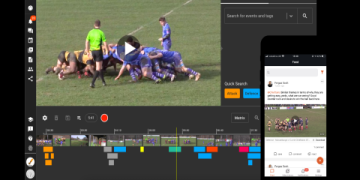
5. STUDY OPPONENTS: Use video analysis and data scouting for targeted game plans.
6. DEVELOP SET PIECE ROUTINES: Practice both attacking and defensive dead-ball situations.
7. FOCUS ON FITNESS: Implement injury prevention programs and rotation policies.
8. ARRANGE FAN SUPPORT: Engage with the home crowd to boost morale in key fixtures.
# Common Pitfalls and Warnings in World Cup Football Qualification
WARNING: Many national teams fall into predictable traps during world cup football qualification.
The most frequent mistakes include:
– UNDERESTIMATING LESSER TEAMS: Top-ranked nations sometimes lose crucial points by fielding weaker squads against lower seeds.
– POOR SQUAD MANAGEMENT: Overplaying key players leads to injuries and fatigue.
– TACTICAL STUBBORNNESS: Refusing to change game plans when facing unexpected problems (for example, an early red card or an organized defense).
– FAILING TO ADAPT LOGISTICALLY: Late travel arrangements and inadequate recovery end up costing performance.
If you are involved at any level, double-check these risk areas. Sometimes, avoiding blunders is as important as making the right moves.
# Advanced Strategies: LSI Keywords and Research-Backed Solutions
World cup football qualification involves more than tactical plans and talented players. The strategic use of data and scouting resources sets winners apart. LSI keywords like “qualifying groups,” “intercontinental playoff,” “FIFA rankings,” “seeding,” and “regional qualifiers” are vital when analyzing and discussing pathways.
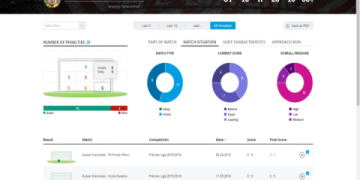
For federations, integrating video analytics and performance tracking tools has become non-negotiable. According to a Statista survey, 85% of teams now rely on advanced data scouting before qualification cycles (来源: Statista). That’s a staggering increase from a decade ago.
Additionally, psychological training and media management are now essential. Handling fan expectations and social media pressure can affect player focus.
# Real Case Studies and Pro Tips
Let’s look at real-world examples.
In 2017, Iceland shocked the world by qualifying directly from their group, despite having the smallest population ever to reach the finals. Their secret? A highly organized defense and cohesive teamwork, coupled with well-drilled set pieces.
On the other hand, the USA’s shock elimination in 2018 showed that even resource-rich teams can stumble when they lack tactical clarity and overlook “smaller” rivals.
We’ve worked with emerging federations in Africa and Asia. Often, shifting preparation to a data-driven approach and building strong local infrastructure results in rapid improvement. It’s not always about star players – it’s about systems and smart choices.
# Final Checklist: World Cup Football Qualification Success
WORLD CUP FOOTBALL QUALIFICATION SUCCESS CHECKLIST
– RESEARCH THE QUALIFICATION FORMAT AND SLOT ALLOCATION FOR YOUR REGION
– ASSEMBLE A VERSATILE SQUAD WITH DEPTH IN EVERY POSITION
– PLAN TACTICAL STRATEGIES FOR EACH OPPONENT BASED ON DATA
– IMPLEMENT ROTATION AND INJURY PREVENTION PROTOCOLS
– SCHEDULE QUALITY FRIENDLIES TO TEST GAME PLANS
– PREPARE SET PIECE ROUTINES AND SPECIAL SITUATION PLAYS
– USE VIDEO ANALYSIS TO SCOUT GROUP RIVALS
– MANAGE LOGISTIC ARRANGEMENTS FOR TRAVEL AND RECOVERY
– ENGAGE FANS AND BUILD HOME STADIUM ATMOSPHERE
– REVIEW AND UPDATE PLANS BASED ON MATCH RESULTS AND ANALYTICS
# Conclusion: Your Pathway to World Cup Football Qualification Mastery
Mastering world cup football qualification isn’t easy. There’s no guaranteed formula, but with expert guidance, data-driven approaches, and consistent team effort, the dream becomes reachable. Remember, qualification is both a marathon and a chess match. As fans and professionals, staying informed and prepared makes the journey thrilling—and possibly historic.